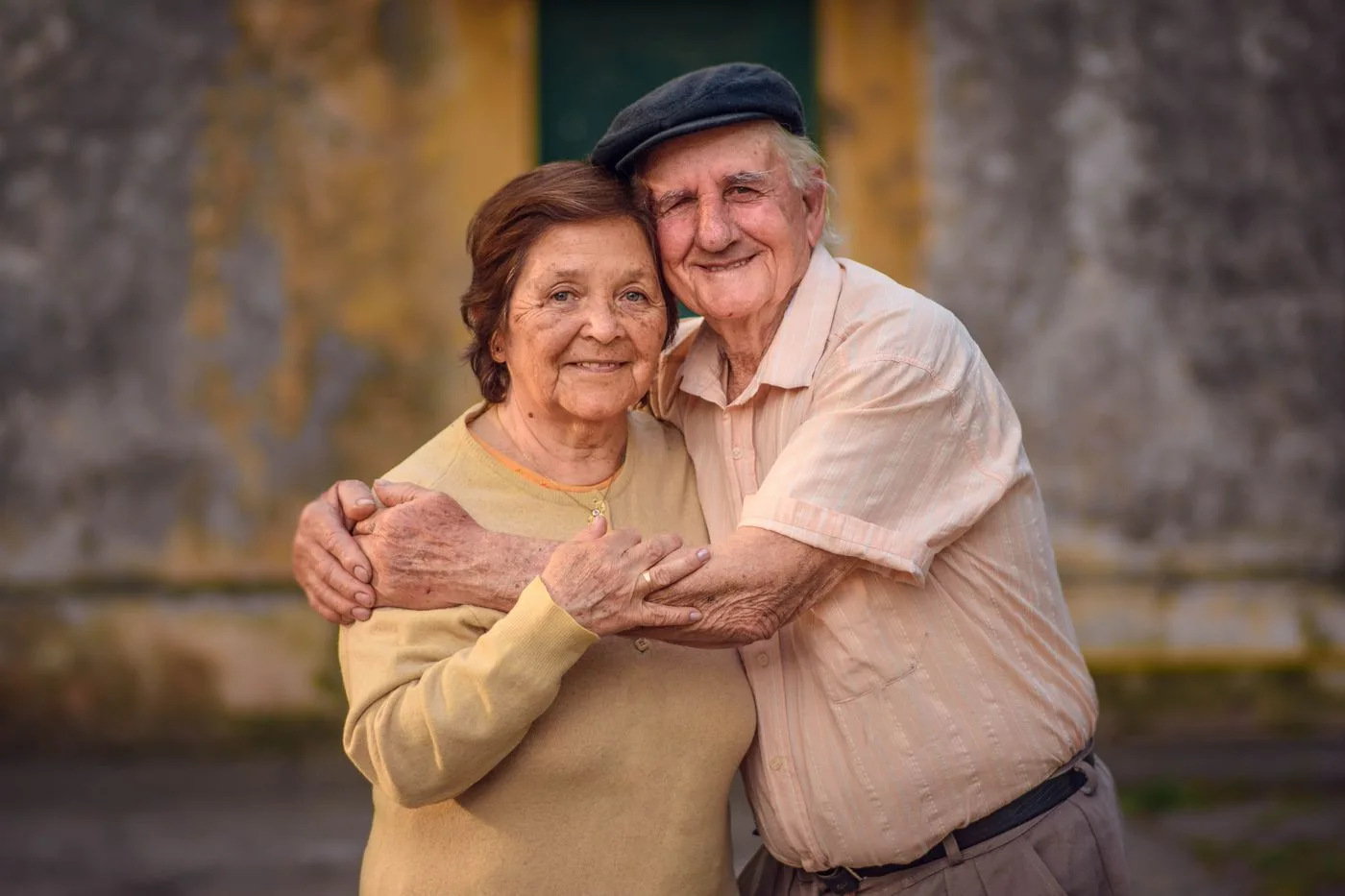
Companionship after 60 does more than lift your mood — UK health data shows it measurably lowers your risk of heart disease, stroke, dementia, and depression. Chronic loneliness in later life is linked to a 29% higher risk of coronary heart disease and a 32% higher risk of stroke, according to NHS and Age UK research, while regular social connection is one of the strongest predictors of healthy ageing we know of — right up there with diet and exercise.
It's a subject that doesn't get talked about enough. We tend to think of health after 60 purely in terms of physical checkups — blood pressure, cholesterol, joints — while treating loneliness as an emotional inconvenience rather than a genuine health risk. The research tells a different story, and it's one worth taking seriously if you've found yourself with more quiet evenings than you'd like since retirement, bereavement, or simply life moving on.
The Loneliness Effect: What the UK Research Actually Shows
Around 7% of people aged 65 and over in the UK report feeling lonely often or always — roughly 940,000 older adults experiencing chronic loneliness, with more than a million saying they can go a full month without meaningful social contact. More than two million people in England over the age of 75 live alone. The effects aren't just emotional: NHS guidance on loneliness in older people links prolonged isolation to a measurably higher risk of physical illness, and 9 in 10 older people who are often lonely also report being unhappy or depressed, compared to 4 in 10 of those who are rarely lonely.
These aren't small, marginal effects — they're comparable in scale to well-established risk factors we already take seriously, like blood pressure or activity levels. Which is exactly why companionship deserves to be treated as part of a health routine, not just a nice extra.
Heart Health and Companionship for Seniors
Close relationships appear to have a measurable effect on cardiovascular health. UK data shows loneliness increases the risk of coronary heart disease by 29% and stroke by 32%, likely linked to higher stress hormone levels in people who lack regular social support. People with strong companionship, by contrast, tend to have lower blood pressure and better recovery outcomes after medical treatment, partly because a supportive partner or close friend makes it easier to stick to healthy routines — eating properly, taking medication on schedule, and attending check-ups.
There's also a simpler, more everyday version of this effect: someone to notice when you're not quite yourself. A companion is often the first person to suggest you get a nagging symptom checked out, or to gently push back when you're tempted to skip a GP appointment — small nudges that add up over years.
Companionship, Dementia Risk, and Mental Sharpness
Regular, engaging conversation is a form of mental exercise. Prolonged social isolation is associated with around a 25% increased risk of developing dementia, while couples and close companions who talk, debate, and share new experiences together tend to show slower rates of cognitive decline. Simply put: a good natter is good for your brain.
- Lower dementia risk — regular social engagement is protective for cognitive health, likely because conversation and shared problem-solving keep the brain actively working
- Better recovery outcomes — companionship after medical treatment is linked to less nerve-related pain and faster-reducing inflammation
- Reduced A&E visits — over-65s living alone are 50% more likely to attend A&E than those living with others, partly because a companion often notices health changes early
- More consistent routines — sharing meals and daily rhythms with someone else tends to support better sleep and diet

Emotional Resilience Through Life's Changes
Life after 60 often brings its share of change — retirement, bereavement, children leaving home or moving away, or simply a smaller social circle than you had at 40. Having someone to share the ups and downs with builds emotional resilience, helping people navigate difficult periods with more ease and less isolation. It's not about avoiding hard moments; it's about not having to face them entirely alone.
Many people find that this kind of resilience compounds over time. A single good conversation on a bad day rarely fixes everything, but a steady pattern of feeling heard and supported changes how manageable life's setbacks feel overall — which is part of why the health effects of companionship show up so clearly in long-term studies rather than short ones.
"I joined just for companionship. I found a best friend who became the love of my life. I'm 71 — it's never too late." — Janet, 71, Norwich
Curious what companionship could look like for you?
Join FreeLoneliness vs. Being Alone: Why the Difference Matters
It's worth separating two things that often get treated as the same: being alone, and feeling lonely. Plenty of people over 60 live alone, enjoy their own company, and aren't lonely in any meaningful sense — solitude by choice doesn't carry the same health risks as chronic, unwanted isolation. The research above is really about the gap between the connection someone wants and the connection they actually have. If you recognise that gap in your own life, it's a signal worth acting on, not something to dismiss as simply "how things are now."
If loneliness has been affecting your mood or sleep for a while, it's also worth mentioning to your GP — the NHS treats persistent loneliness as a legitimate health concern, and there are often local social prescribing schemes, clubs, and befriending services your surgery can point you towards, alongside anything you pursue independently.
It Doesn't Have to Be Romantic
Interestingly, the research doesn't only apply to romantic relationships — close friendships carry many of the same benefits. But for many people, dating adds a particular kind of connection: shared adventures, physical affection, and someone to build a daily rhythm with, all of which compound the wellbeing effects described above. If romance isn't what you're looking for right now, simply widening your social circle still counts, and still matters for your health.
Practical Ways to Build More Companionship After 60
If any of this resonates, the good news is that building companionship doesn't require a dramatic life change. A few realistic starting points:
- Say yes to invitations you'd normally decline out of habit — a coffee, a walk, a family gathering. It's easy to underestimate how much a single "yes" can open up over time.
- Join a class, club, or volunteer group built around something you already enjoy, so the social side feels secondary rather than forced — shared activity tends to produce far more natural conversation than a room designed purely for "networking".
- Reach out first, rather than waiting to be invited — most people are quietly glad someone else made the effort, and a short message costs very little to send.
- Consider dating or companionship platforms designed for your age group, where everyone involved is looking for the same thing you are, and profiles are reviewed rather than anonymous.
Starting Small: Building Companionship After 60
You don't need a whirlwind romance to see the benefits. Even the process of meeting new people, having interesting conversations, and putting yourself back out there can lift your mood and sense of purpose — regardless of where any individual connection leads. Reading a few low-pressure first date ideas is often the easiest first step, and taking the time to write a profile that reflects who you are now tends to attract the kind of genuine connection that supports all of the health benefits above.
It's also worth being patient with the process. Building real companionship — whether through friendship, dating, or both — rarely happens on the first attempt, and that's completely normal. Most of our members describe it less as a single dramatic moment and more as a gradual shift: a few more messages exchanged, a coffee that goes well, a second date that turns into a habit. The health benefits described throughout this article aren't reserved for grand romances either — they build steadily alongside the connection itself.
Key UK Statistics on Loneliness and Health After 60, At a Glance
- 29% higher risk of coronary heart disease linked to chronic loneliness
- 32% higher risk of stroke linked to chronic loneliness
- 25% increased dementia risk associated with prolonged social isolation
- 50% more likely to visit A&E for over-65s living alone, compared to those living with others
- ~940,000 older adults in the UK experience chronic loneliness, feeling lonely often or always
Taken together, these figures make a simple case: companionship isn't a luxury to think about once the basics of health are covered — for people over 60, it's one of the basics.